

How can UX Design Reduce Development Costs?

UX/UI design is critical in software development, ensuring that applications are intuitive, visually appealing, and user-centered.
A well-designed product differentiates you, boosts conversion rates, and supports business growth.
Author
Nika Kordić (UI/UX Designer)
Category
SEO
Table of Contents
Introduction
Most business owners treat digital marketing like a slot machine. You put money in, pull the lever of Google or Meta Ads, and hope for a jackpot. But hope is not a business strategy. The market is louder than ever. In 2026, your potential clients are bombarded with thousands of ads daily. If your agency is just "running ads," you are losing. At Outserve Pro, we don't just run ads; we build systems that capture attention and convert it into tangible business growth. In this guide, we’re peeling back the curtain on how a professional lead generation engine actually works.
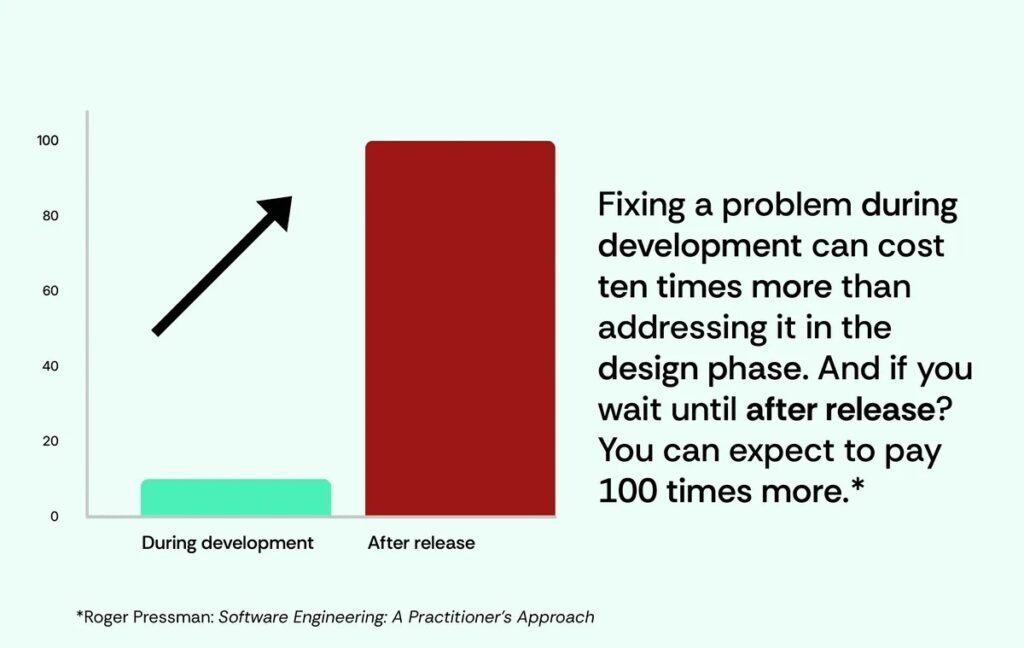
This is why were here to break down how UX design can be a game-changer for development efficiency and long-term cost reduction.
Psychology of Search (Google Ads)
Google Ads is the king of Intent. When someone searches for a service, they are actively looking for a solution. However, most agencies fail because they bid on "broad" terms that eat budgets without producing sales.
Benefits of UX design in software development
Early Problem Identification
The earlier you catch an issue, the cheaper it is to fix. UX design helps identify potential roadblocks before development even begins, using research, prototyping, and usability testing to prevent costly mistakes. Think about an airline website. If passengers struggle to find baggage allowance details before booking, they might flood customer support with questions-or worse, request refunds. As we mentioned above, fixing these problems after launch is far more expensive than addressing them during the design phase. By validating ideas before coding starts, businesses can keep development costs under control.
Fewer Revisions
One of the biggest money drains in product development? Constant revisions. When UX is an afterthought, teams often have to go back and make major changes. This wastes both time and resources. A study on IBM’s Design Thinking practice demonstrated that organizations reduced development and testing time by 33% with proper user-centered approaches. Testing your ideas and refining them early can lead to decreased rework and faster development. The IBM Design Thinking approach demonstrates this perfectly-they cut design defects in half by focusing on understanding user needs before developing solutions.
Greater Efficiency
There’s a reason people say, “Good design is invisible.” When UX is done well, users don’t have to think about how to use a product-it just feels natural. Well, that wasn’t the case with one of our clients. Their users struggled to find the information they needed to complete the task, and because of that, customer support calls increased causing bigger costs. With the user-centered approach, we redesigned the flow and helped them reduce costs by significantly decreasing customer support calls. A seamless experience feels natural and intuitive-but achieving this requires extensive research, ideation, and testing to eliminate obstacles and optimize workflows.

Minimized support costs
Every confusing screen or unclear button can translate into a support ticket. By making digital products self-explanatory, UX design slashes the number of calls and emails your support team receives. As one source notes, intuitive UX reduces the need for instructions and customer service, directly lowering operational costs. For businesses with large user bases, even a small reduction in support requests can mean significant savings over time.
Conclusion
Skipping UX research or ignoring user needs during development is like gambling with your budget-you’re taking unnecessary risks. The examples we’ve shared demonstrate how proper user-centered design reduces development time, minimizes costly revisions, drives higher adoption rates, increases efficiency, and ultimately delivers impressive ROI-all contributing to significant cost reduction. According to research from Human Factors International, every dollar invested in UX brings between $10-$100 in return. That’s not just marketing speak-it’s backed by hard data and reflected in our real-world case studies. By incorporating UX early in the process, businesses avoid the exponential costs of late-stage fixes that Pressman warned about and instead build products that truly work for their users from day one. If you’re getting ready to start designing new software solutions, but want to get the optimal solution first, contact us for a consultation.
Share this post: